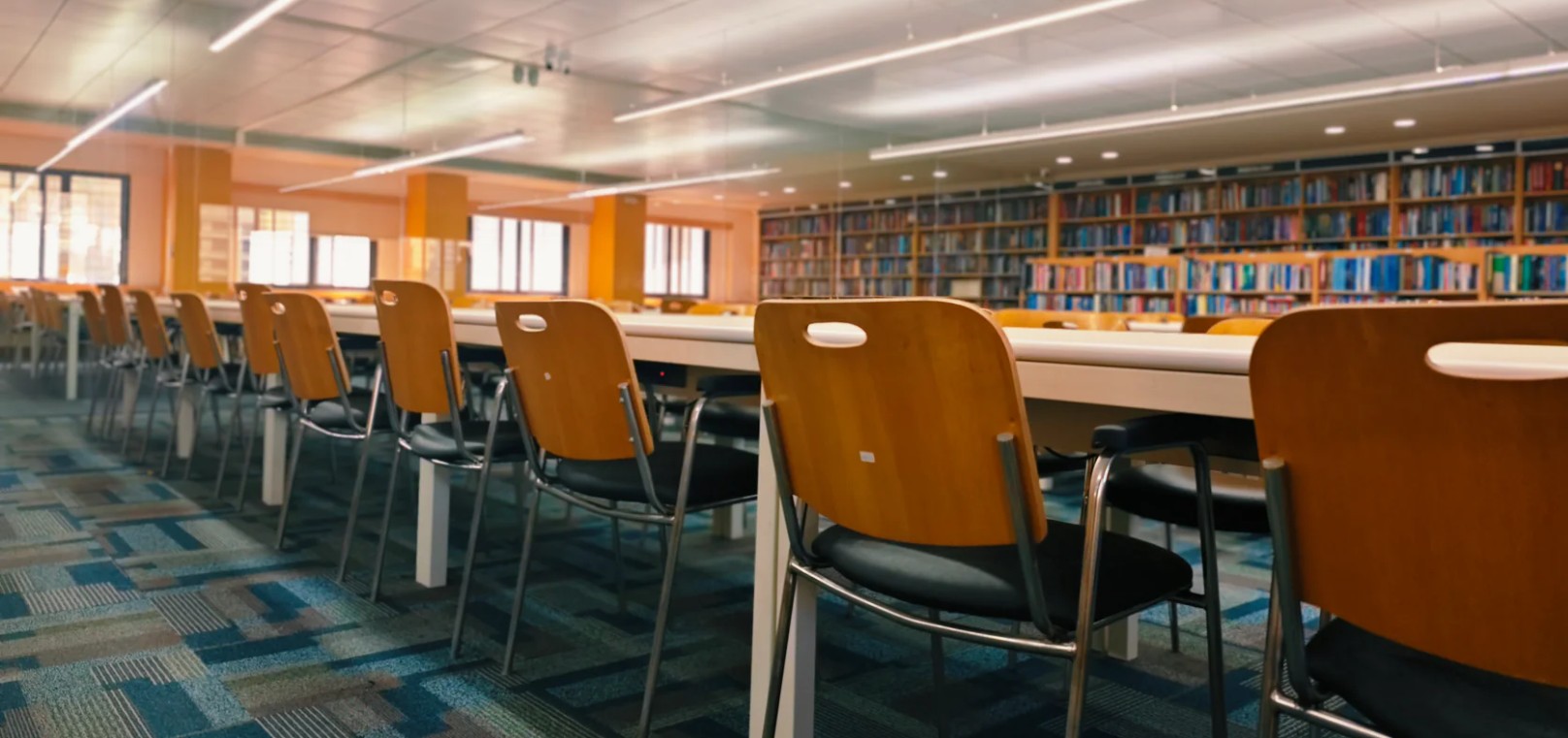
IMPORTANCE OF LIBRARY
A library is not just a place full of books — it is a temple of learning, a center of knowledge, and a hub for intellectual growth. It plays a vital role in shaping the personality, discipline, and academic excellence of a student.
1. A Place Free from Distractions
- The biggest advantage of a library is its peaceful and disciplined environment.
- In the library, there are no mobile phones, TV, or social media to disturb you.
- It provides a focused atmosphere, where a student can give 100% attention to study and understanding concepts deeply.
Example: A student preparing for NEET or JEE can study for long hours in a library with high concentration — something that’s difficult at home.
2. Effective Utilization of Time
- A library helps students manage their time efficiently.
- Instead of wasting time on distractions, students can use that same time to:
- Read academic books
- Revise class notes
- Practice questions
- Explore new knowledge areas
- It creates a routine of disciplined study.
Example: Spending 3–4 focused hours daily in a library equals more productive learning than 6–7 distracted hours at home.
3. Availability of Vast Resources
- A library contains a wide range of books, journals, magazines, and digital resources on various subjects.
- Students can easily find reference materials, previous year question papers, and competitive exam guides.
Example: A student studying chemistry can find both NCERT books and advanced level reference books like O.P. Tandon or Morrison & Boyd in one place.
4. Motivational and Academic Environment
- In a library, students are surrounded by other focused learners — which creates a motivational atmosphere.
- Seeing others studying sincerely pushes you to do the same.
Example: When you see 10 other students preparing seriously for exams, you automatically feel inspired to do better.
5. Improves Reading and Thinking Skills
- Regular library use enhances a student’s reading habits, vocabulary, and analytical skills.
- It allows a student to think deeply, research independently, and develop intellectual curiosity.
Example: Reading biographies or science journals broadens a student’s perspective beyond textbooks.
6. Builds Self-Discipline and Concentration
- In the library, silence teaches patience, discipline, and self-control.
Students learn to sit for long durations, maintaining focus and mental stamina — a key requirement for success in competitive exams.